

The AI landscape is shifting. For years, ChatGPT, Gemini, and Claude dominated conversations about artificial intelligence. But in 2026, European AI solutions are no longer just alternatives – they’re strategic choices with distinct advantages.
This isn’t about nationalism or protectionism. It’s about control over data, compliance with regulations, and independence from platforms that can change their terms overnight. European AI tools have matured significantly, and for many use cases, they’re now the smarter choice.
This comparison covers 12 European AI solutions across four categories: language models, specialized AI, enterprise platforms, and infrastructure. You’ll see what each tool does, who it’s built for, and where it makes sense to use it instead of US alternatives.
European vs. US AI – The Difference in 60 Seconds
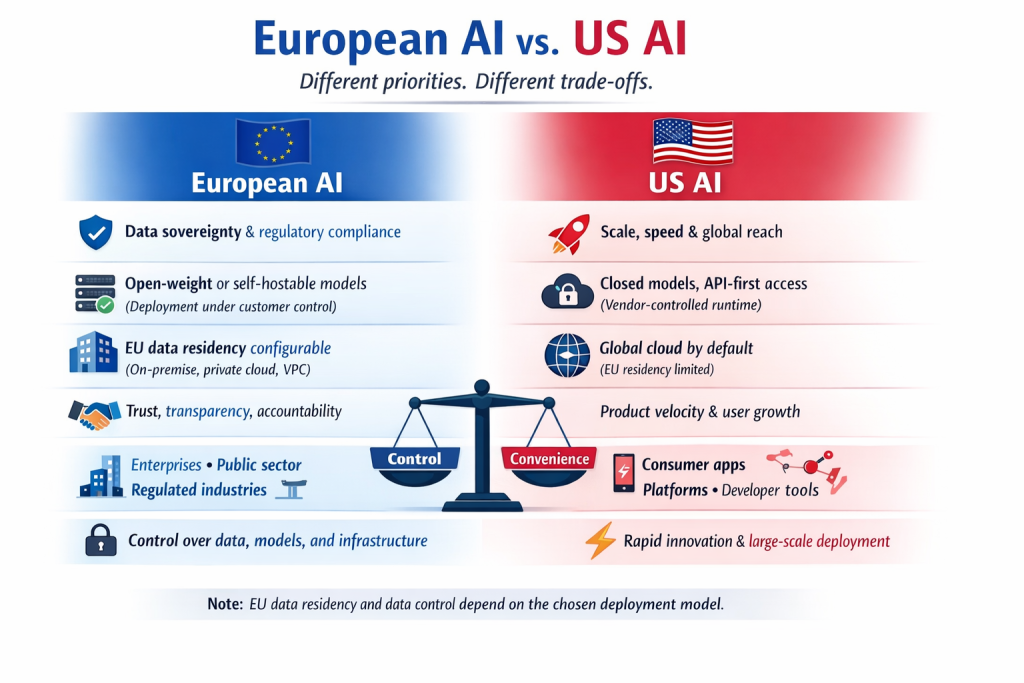
European AI tools follow a different philosophy than their US counterparts. Here’s what sets them apart:
Data sovereignty: European solutions typically host data within the EU, often with explicit guarantees about where your information is processed and stored. US providers operate under different legal frameworks, including CLOUD Act requirements.
Explainability: Tools like Aleph Alpha prioritize transparency in how AI reaches conclusions. This matters for regulated industries where you need to justify decisions.
Open-weight models: Mistral AI and others release model weights publicly, allowing companies to run AI on their own infrastructure. This reduces vendor lock-in.
GDPR by design: Compliance isn’t bolted on afterward. European tools build privacy requirements into their architecture from the start.
Where European AI currently falls short: The largest multimodal models still come from the US. Consumer-facing applications with millions of users tend to run on OpenAI or Google infrastructure. Cutting-edge research often happens faster in California than in Paris.
But that gap is narrowing, and for many business applications, European tools already offer the better combination of capability and control.
Why European AI Solutions Are in Focus in 2026
The Most Important European AI Solutions: Overview
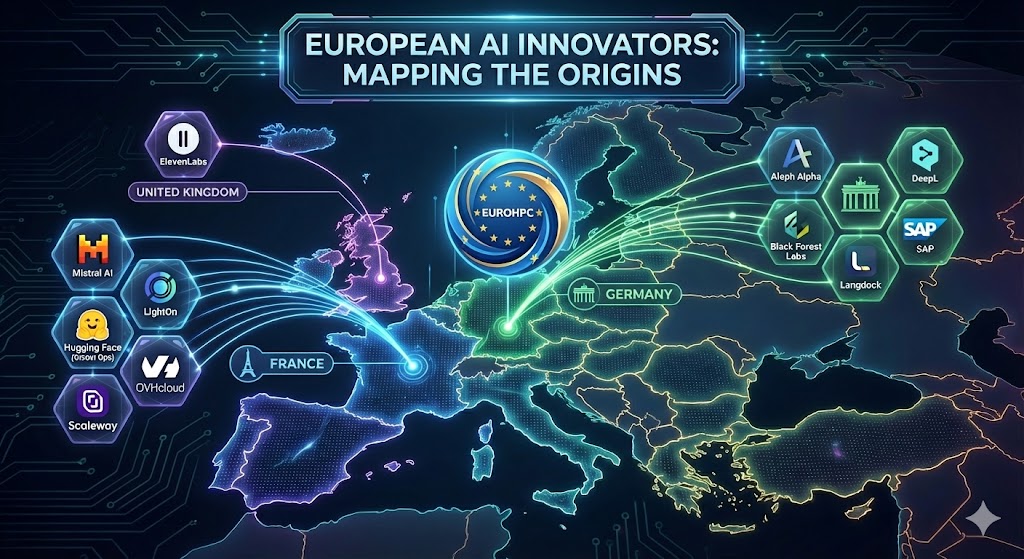
These aren’t garage projects or research experiments. Every solution listed here powers real applications, serves paying customers, or provides infrastructure that other companies build on.
The tools fall into four categories: core language models, specialized AI for images and speech, enterprise platforms that orchestrate AI workflows, and infrastructure that makes European AI deployment possible.
Large Language Models & Core AI
Mistral AI
French startup that released its first models in 2023 and quickly emerged as Europe’s most competitive LLM provider. Mistral focuses on open-weight releases, allowing organizations to download and deploy models on their own infrastructure.
Its latest models cover reasoning, coding, and multilingual tasks at a level comparable to leading US models. The key distinction is deployment freedom: companies are not locked into a single API or vendor-controlled runtime.
Origin: France
Hosting: Self-hosted (on-premise, VPC) or via cloud partners; EU deployment depends on chosen setup
Target users: Developers, AI platforms, enterprises building proprietary systems
Standout feature: Open weights combined with competitive performance
Aleph Alpha
German AI company focused on government, public sector, and critical infrastructure. Aleph Alpha’s Luminous models are designed with explainability at their core, enabling users to trace which input elements influenced an output.
This capability is essential in regulated environments where automated decisions must be justified. Aleph Alpha positions itself as a provider of sovereign, accountable AI rather than a general-purpose consumer model.
Origin: Germany
Hosting: EU-based deployments and on-premise options
Target users: Public sector, regulated industries, large enterprises
Standout feature: Explainable AI designed for compliance and accountability
LightOn
French provider specializing in private language models designed for use with sensitive or confidential data. LightOn focuses on deployments where data remains fully under enterprise control, either on-premise or within dedicated EU cloud environments.
The platform targets organizations that cannot expose internal knowledge to external APIs, such as financial institutions or industrial companies handling trade secrets.
Origin: France
Hosting: On-premise or dedicated EU cloud deployments
Target users: Mid-size and large enterprises with high data sensitivity
Standout feature: Enterprise-grade data isolation and control
Image, Speech & Specialized AI
DeepL
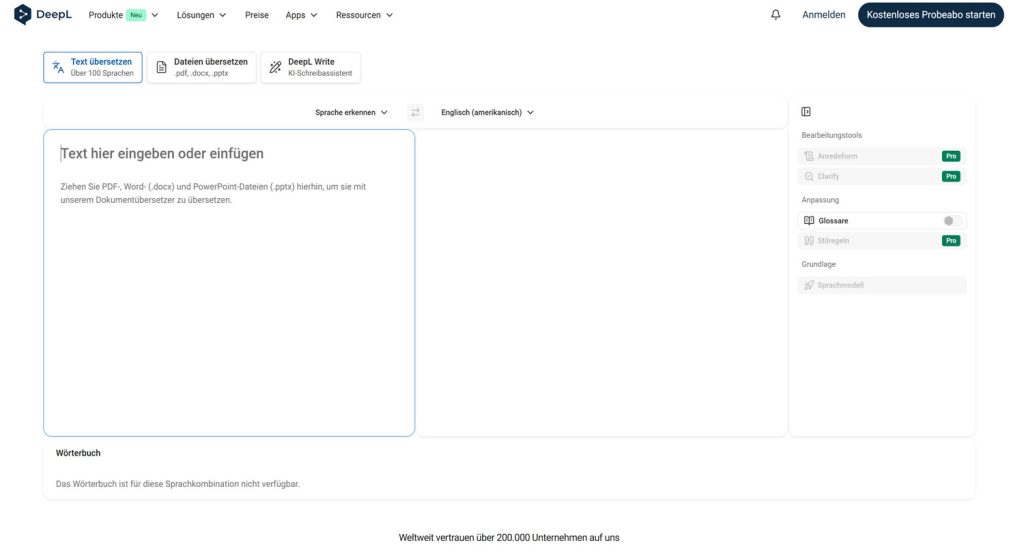
Originally launched as a translation engine, DeepL has expanded into writing assistance and large-scale document translation. Its translation quality is widely regarded as superior in business and technical contexts, particularly for European languages.
DeepL emphasizes privacy by default: texts are not stored or used for training unless customers explicitly opt in, making it attractive for professional use cases.
Origin: Germany
Hosting: SaaS with strong EU privacy compliance (data storage minimized)
Target users: Enterprises, editorial teams, international organizations
Standout feature: High translation quality in professional and technical domains
Black Forest Labs
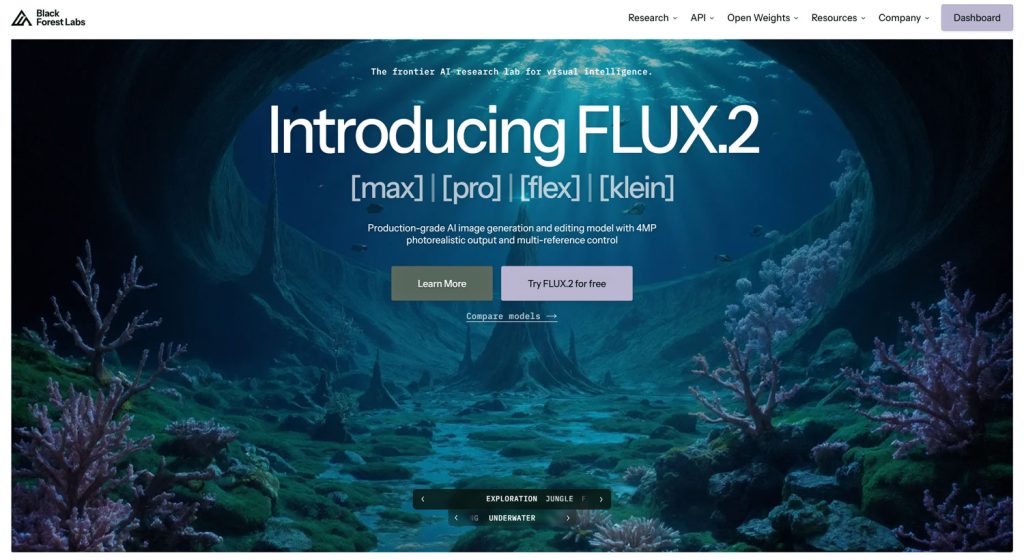
Founded by former Stability AI researchers, Black Forest Labs develops the FLUX image generation models. These models are known for strong photorealism and fine-grained control over visual outputs.
While primarily offered via API, deployment options depend on model access and licensing. The company positions itself as a high-quality European alternative to US-centric image generation services.
Origin: Germany
Hosting: Deployment depends on access model (API or self-hosted where available)
Target users: Creative professionals, agencies, AI platforms
Standout feature: Photorealistic image generation with advanced control
ElevenLabs
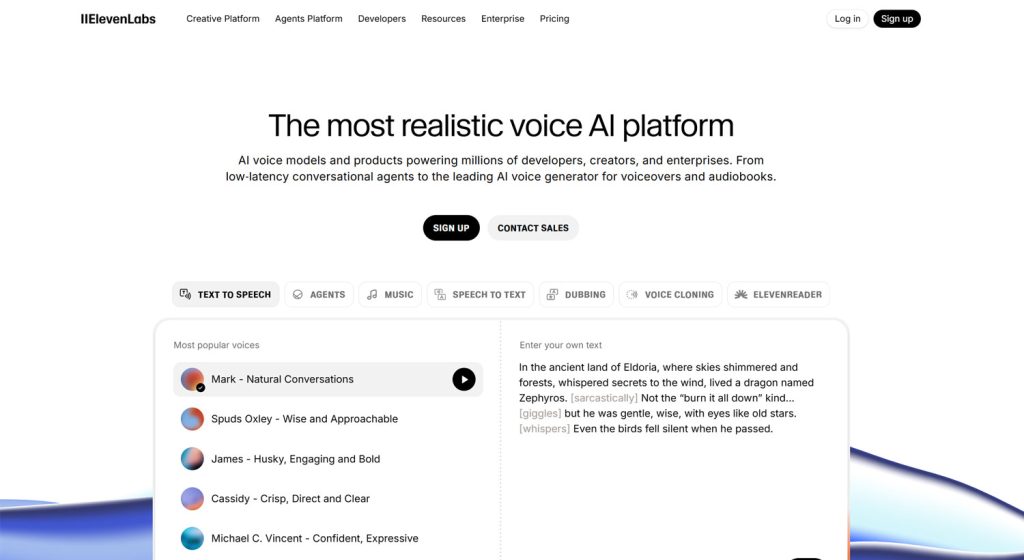
UK-based company recognized for highly natural-sounding text-to-speech and voice cloning. ElevenLabs can reproduce voice characteristics from short audio samples, enabling scalable voice production.
Its technology is widely used in media, publishing, and enterprise environments. EU data residency is available as an option, particularly for enterprise customers, while default processing may occur outside the EU.
Origin: United Kingdom
Hosting: Cloud-based; EU data residency optional
Target users: Media companies, content creators, enterprises
Standout feature: Natural voice synthesis and voice cloning quality
AI Platforms & Enterprise Solutions
Hugging Face
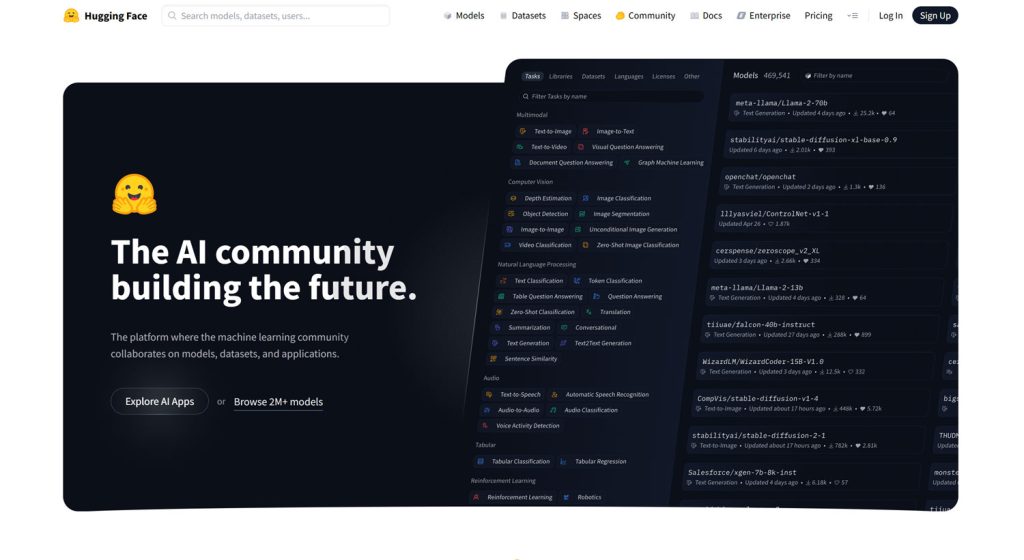
Hugging Face has become the central platform for AI development worldwide. Often described as “GitHub for AI,” it hosts models, datasets, and tools used by researchers and companies alike.
While global by design, Hugging Face allows organizations to choose EU storage regions in enterprise configurations, making it compatible with European compliance requirements.
Origin: France (global operations)
Hosting: Global infrastructure with EU storage options
Target users: Developers, researchers, AI companies
Standout feature: Core ecosystem for open-source AI development
SAP
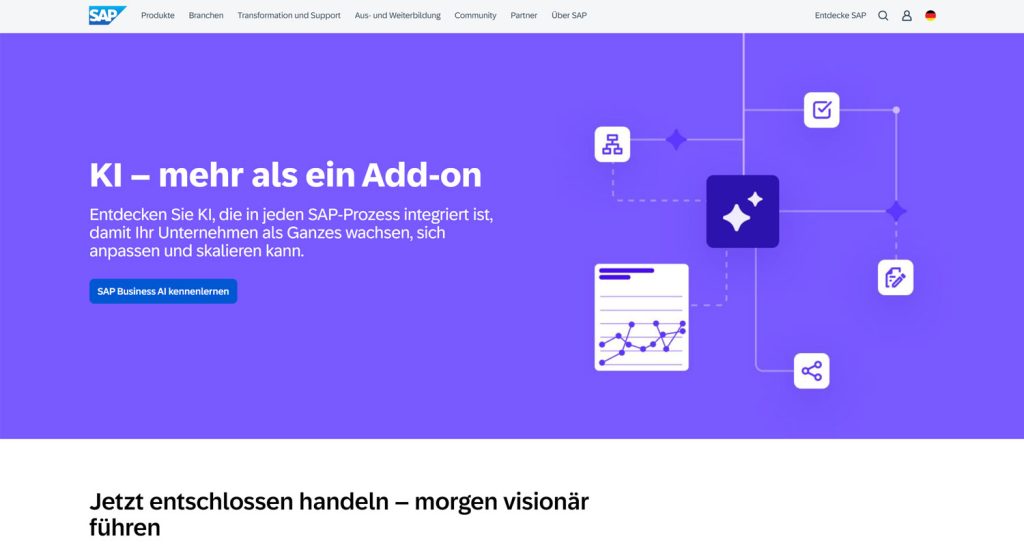
SAP integrates AI directly into its enterprise software stack rather than offering standalone AI tools. The Joule assistant operates within SAP’s ERP systems, supporting analytics, automation, and decision-making inside existing workflows.
AI deployments follow SAP’s regional cloud infrastructure, allowing EU data residency depending on configuration.
Origin: Germany
Hosting: SAP cloud infrastructure with EU regions available
Target users: Large enterprises and mid-size companies using SAP
Standout feature: AI embedded into core business software
Langdock
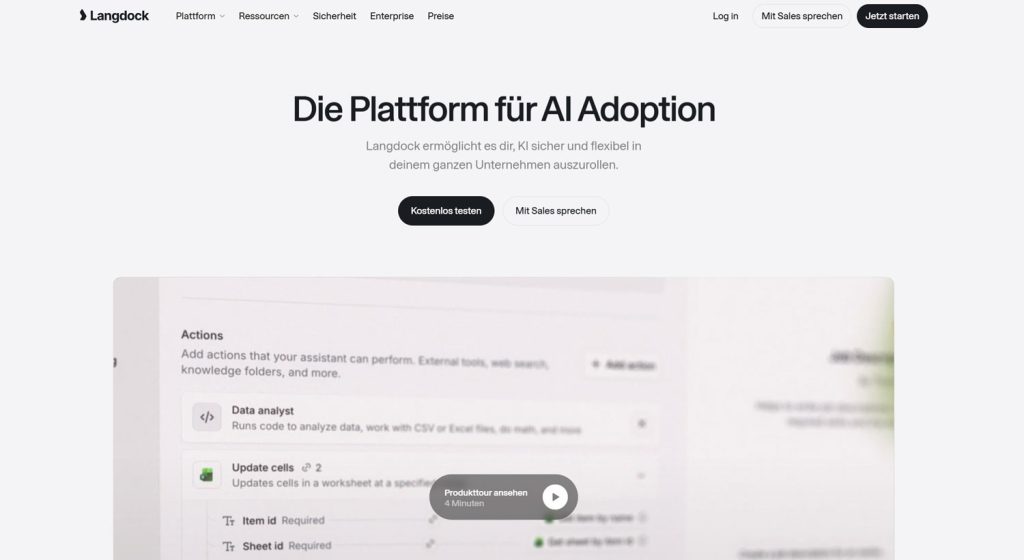
Langdock enables companies to access multiple language models through a single, GDPR-compliant interface. Instead of committing to one provider, organizations can combine different LLMs while keeping data governance centralized.
The platform focuses on compliance, auditability, and EU-based infrastructure.
Origin: Germany
Hosting: EU-only infrastructure
Target users: Companies with strict compliance requirements
Standout feature: Multi-model orchestration with GDPR controls
Infrastructure & AI Sovereignty
OVHcloud
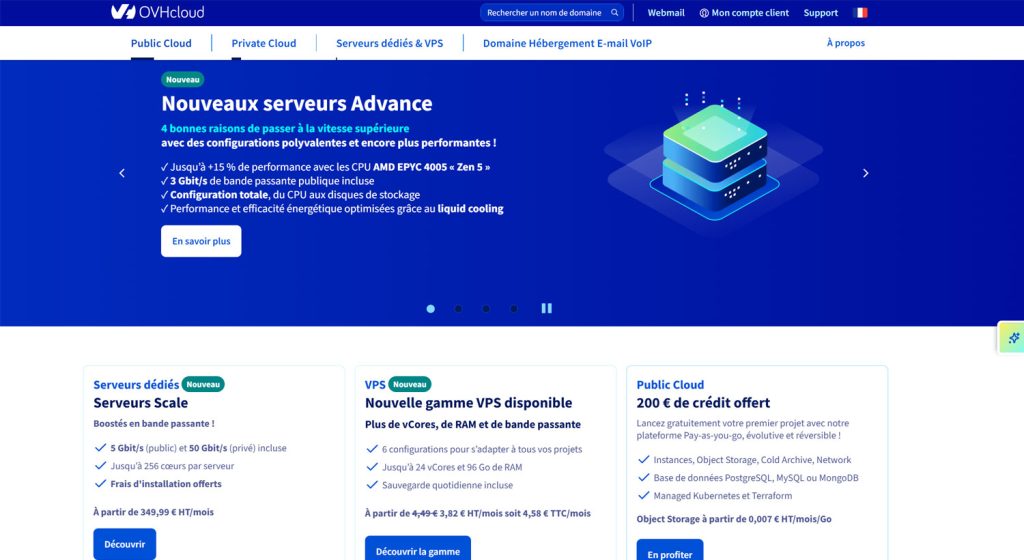
OVHcloud is Europe’s largest independent cloud provider and a common alternative to AWS or Azure. It offers infrastructure for hosting and operating AI workloads with selectable EU data regions.
The company is widely used by SaaS providers and enterprises seeking to reduce dependence on US hyperscalers.
Origin: France
Hosting: Multiple European data centers
Target users: Enterprises, SaaS providers, developers
Standout feature: European cloud infrastructure independent of US providers
Scaleway
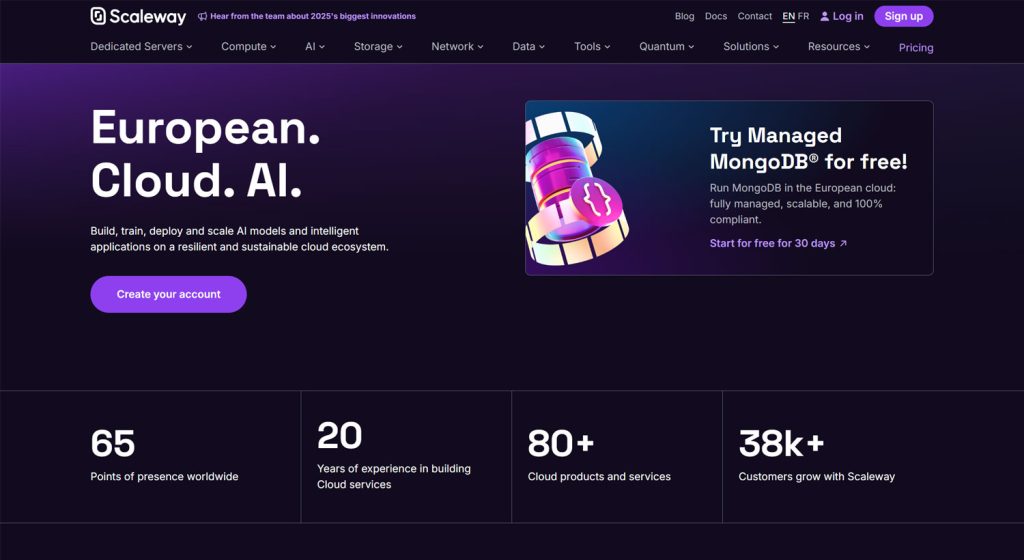
Scaleway specializes in GPU-based compute resources for AI training and inference. It targets startups and research teams that require high-performance hardware without the complexity of large hyperscalers.
Its infrastructure is fully EU-based and positioned as accessible and developer-friendly.
Origin: France
Hosting: EU data centers (France)
Target users: Startups, researchers, developers
Standout feature: Accessible GPU infrastructure for AI workloads
EuroHPC
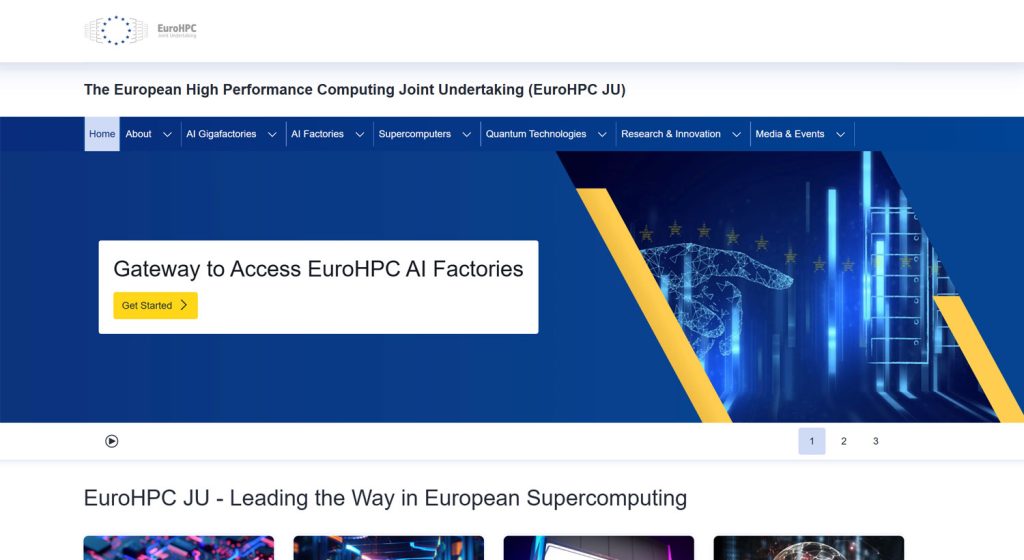
EuroHPC is a public European initiative building supercomputing infrastructure for research and industrial AI projects. Its “AI Factories” provide massive compute capacity for use cases beyond the reach of commercial cloud services.
While not a commercial SaaS offering, EuroHPC plays a central role in Europe’s long-term AI sovereignty strategy.
Origin: European Union (public initiative)
Hosting: Distributed across European research centers
Target users: Research institutions, deep-tech companies
Standout feature: State-funded European AI supercomputing infrastructure
Comparison Table – All Solutions at a Glance
| Solution | Origin | Category | Primary Use | Deployment Options | Data Residency | Training with Customer Data | Target Audience | Key Differentiator |
|---|---|---|---|---|---|---|---|---|
| Mistral AI | France | LLM | Text generation, coding, assistants | Self-hosted, on-prem, VPC, cloud | 🌍EU possible (depends on deployment) | ⚙️No (unless configured) | Developers, enterprises | Open-weight models, high efficiency |
| Aleph Alpha | Germany | LLM | Government, critical infrastructure | On-prem, private cloud | ✓EU / sovereign deployments | 🏢No (enterprise-controlled) | Public sector, regulated industries | Explainable, sovereign AI |
| LightOn | France | LLM | Confidential knowledge systems | On-prem, private EU cloud | ✓EU-only (enterprise-controlled) | ✓No | Mid-size & large enterprises | Full data isolation |
| DeepL | Germany | Language AI | Business translation, writing | SaaS | 🌍EU privacy compliance | ⚙️No (unless opt-in) | Enterprises, editorial teams | Translation quality |
| Black Forest Labs | Germany | Image Generation | Design, marketing, visual content | API (self-hosting depends on model access) | ⚙️Depends on deployment | ⚙️Model-dependent | Creatives, agencies | FLUX image models |
| ElevenLabs | UK | Speech Synthesis | Voiceovers, audiobooks, AI voices | SaaS, enterprise deployments | ⚙️EU optional (default US) | ⚙️No (unless opt-in) | Media, creators, enterprises | Natural voice quality |
| Hugging Face | France / US | AI Platform | Model hosting, training, collaboration | Cloud, enterprise private hubs | 🌍EU storage selectable | ⚙️Depends on configuration | Developers, researchers | Open-source ecosystem |
| SAP | Germany | Enterprise AI | Business processes, ERP, analytics | Cloud, enterprise environments | 🌍EU regions available | 🏢Enterprise-controlled | Large enterprises | AI integrated into core business software |
| Langdock | Germany | AI Orchestration | Multi-model AI access | EU cloud, private deployments | ✓EU-only | ✓No | Compliance-focused companies | GDPR-compliant LLM orchestration |
| OVHcloud | France | Cloud Infrastructure | Hosting, AI workloads | Public & private cloud | 🌍EU regions selectable | N/A | Enterprises, SaaS providers | European hyperscaler alternative |
| Scaleway | France | AI Compute | GPU resources, AI training | Public cloud | ✓EU-only | N/A | Startups, researchers | Accessible GPU pricing |
| EuroHPC | EU | Supercomputing | Research & industrial AI training | Public supercomputing infrastructure | ✓EU-only | N/A | Research, deep-tech | Public European AI infrastructure |
Who Should Use European AI Tools?
Companies and mid-size businesses
If you process customer data, work with confidential information, or operate in regulated industries, European AI tools reduce compliance risk. The ability to keep data within EU borders and maintain control over processing isn’t just nice to have – it’s often a requirement.
Government agencies and regulated sectors
Public institutions, healthcare providers, financial services, and critical infrastructure operators face strict rules about data handling. European AI providers design for these constraints rather than treating them as obstacles.
Developers and startups
Open-weight models from Mistral AI let you build products without API dependencies. European cloud infrastructure from OVHcloud or Scaleway provides alternatives to hyperscalers. If you’re building something where vendor lock-in creates strategic risk, European tools offer more flexibility.
Creative professionals and media companies
Black Forest Labs’ image generation and ElevenLabs’ voice synthesis compete on quality while offering deployment options that US providers don’t. Running models locally or in European clouds gives creative teams control over their workflows.
Who Might Find European AI Tools Less Suitable (For Now)?
Cutting-edge research pushing model capabilities
The absolute largest models still come from US companies. If your research requires 500+ billion parameter models or the latest multimodal capabilities, you’ll likely end up using American infrastructure.
Consumer applications needing massive scale
Building the next viral chatbot that needs to serve 10 million users globally? US providers have infrastructure optimized for that use case. European alternatives work, but they’re not designed with consumer internet scale as the primary goal.
Extremely large multimodal projects
Projects combining vision, language, and reasoning at massive scale currently work better on US platforms. European tools are catching up, but the gap exists.
This doesn’t mean European AI is inferior – it means the tools optimize for different priorities. Control and compliance vs. maximum scale and cutting-edge capabilities.
Conclusion
European AI tools in 2026 aren’t curiosities or political statements. They’re practical options that make sense when data control, regulatory compliance, or independence from US platforms matters to your operations.
The technology has reached the point where choosing European AI doesn’t mean accepting inferior capabilities. For many enterprise use cases, the combination of comparable performance and better alignment with European legal requirements makes these tools the smarter choice.
The market is smaller than what US providers serve, but it’s growing in precisely the areas where European strengths matter: regulated industries, government applications, businesses that can’t afford data leakage, and companies building products where vendor dependency creates risk.
You don’t need to choose between European and US AI as a blanket decision. Most organizations will end up using both, selecting tools based on specific requirements rather than origin. The important development in 2026 is that European options now exist at every layer of the stack – from infrastructure through models to end-user applications.
That wasn’t true three years ago. It changes the strategic calculus.